Designed a patient-centered national health record system that reduces medical record fragmentation, enables emergency access to critical data, and introduces an AI health coach to improve early care decisions and doctor efficiency. (Nigeria as case study)
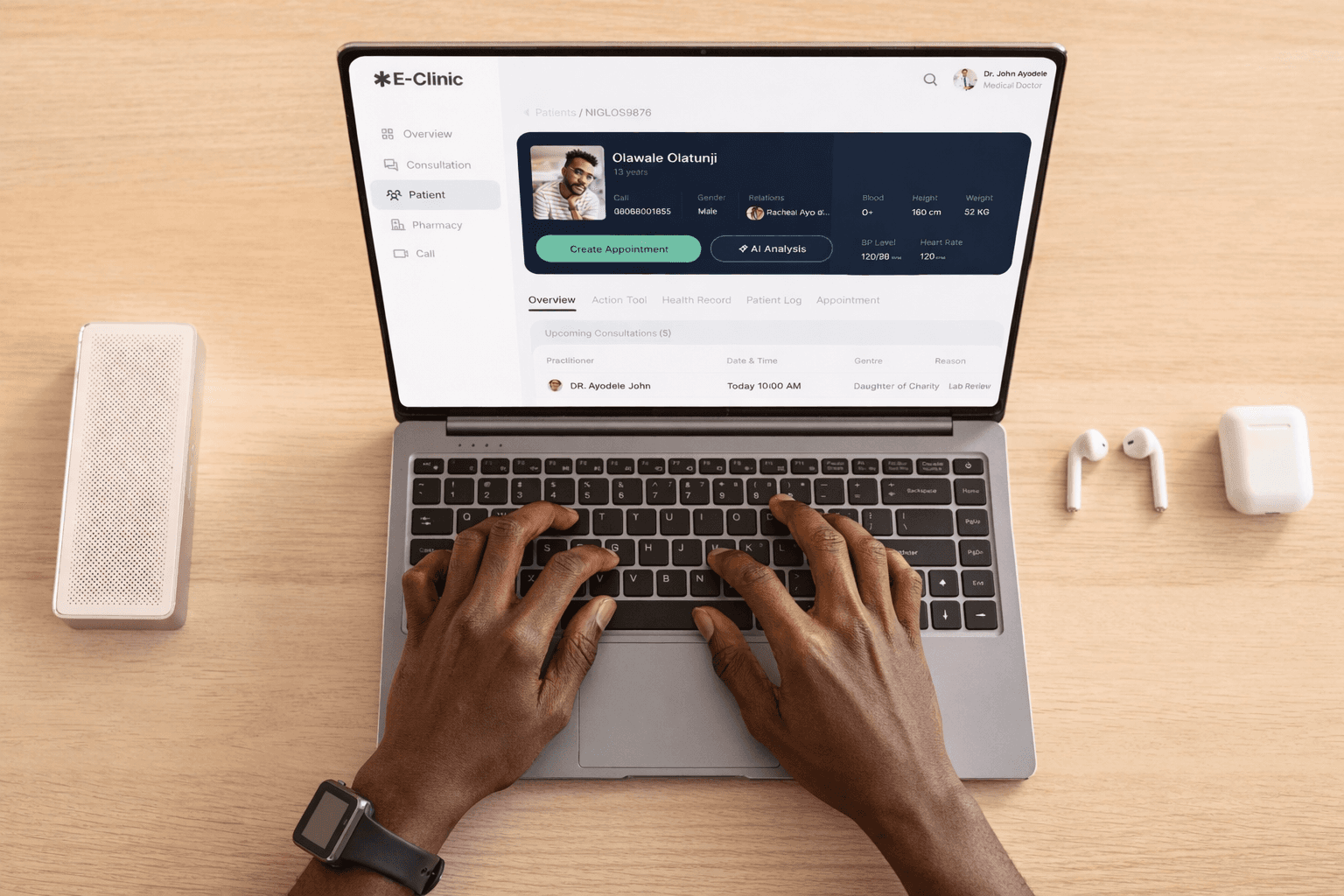
Healthcare data in Nigeria is highly fragmented:
Patient records are scattered across hospitals, clinics, and paper files.
Doctors lack access to past medical history → poor clinical decisions.
Patients can’t recall medications, diagnoses, or past symptoms accurately.
Government and health policymakers lack reliable data to monitor disease patterns and allocate resources.
Emergency cases (accidents, unconscious patients) often fail due to missing records and rigid access rules.
Patients (adults, children via guardians, elderly)
Doctors & Medical Practitioners
Hospitals & Labs
Local & State Health Administrators
Federal Health Policy Makers
Patients (adults, children via guardians, elderly)
Doctors & Medical Practitioners
Hospitals & Labs
Local & State Health Administrators
Federal Health Policy Makers
A national, privacy-first digital health record system combined with an AI personal health assistant for patients and an AI clinical insight layer for doctors.
Key pillars:
Unified patient health record (lifetime profile)
Emergency override access with audit trail
AI-powered analysis (not diagnosis)
Patient AI coach for daily health logging and guidance
Aggregated, anonymized data for public health insights
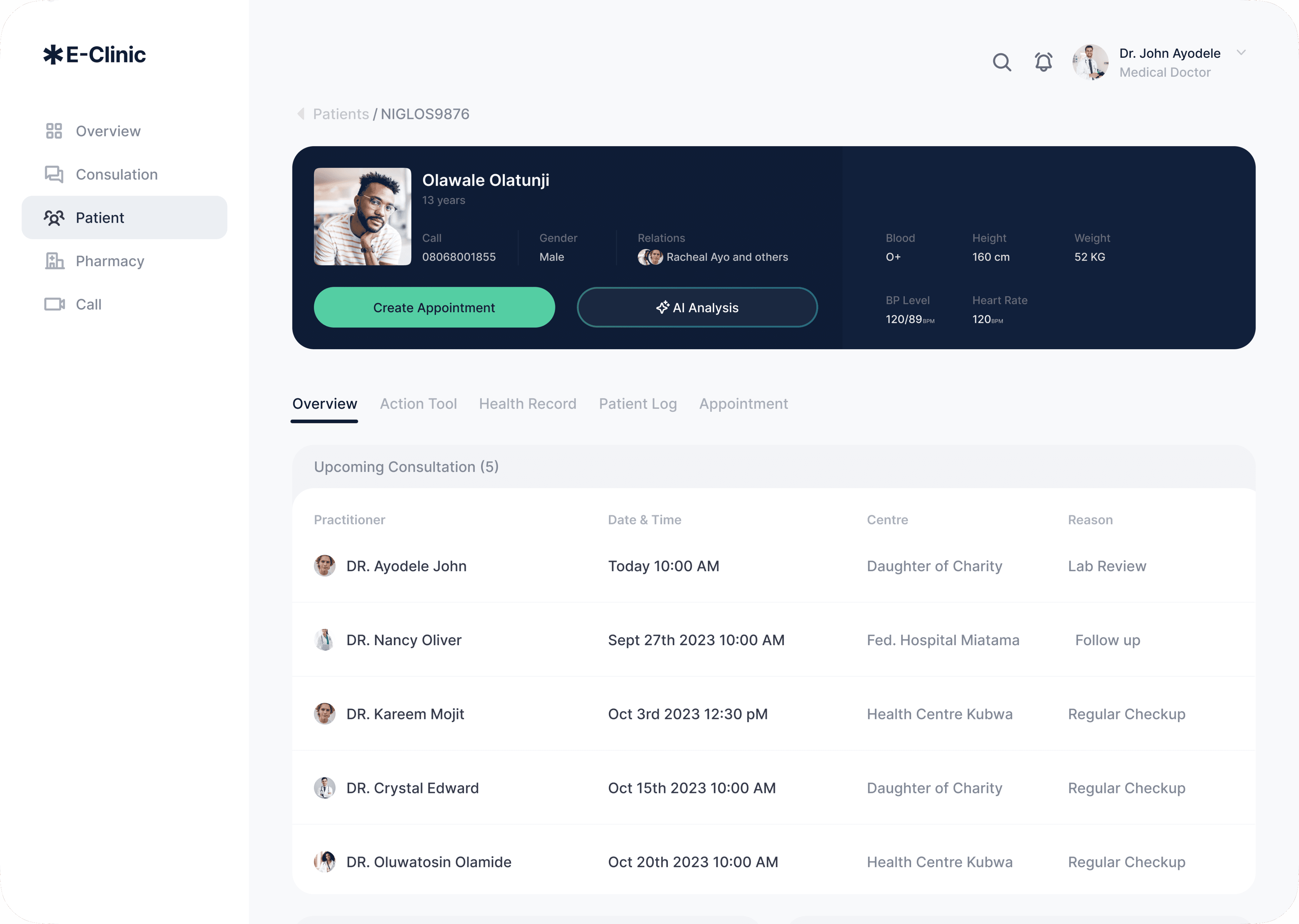
1.Patient Health Record
Personal profile (demographics, blood group, allergies)
Medical history (diagnoses, visits, procedures)
Lab & radiology results
Prescriptions & medication history
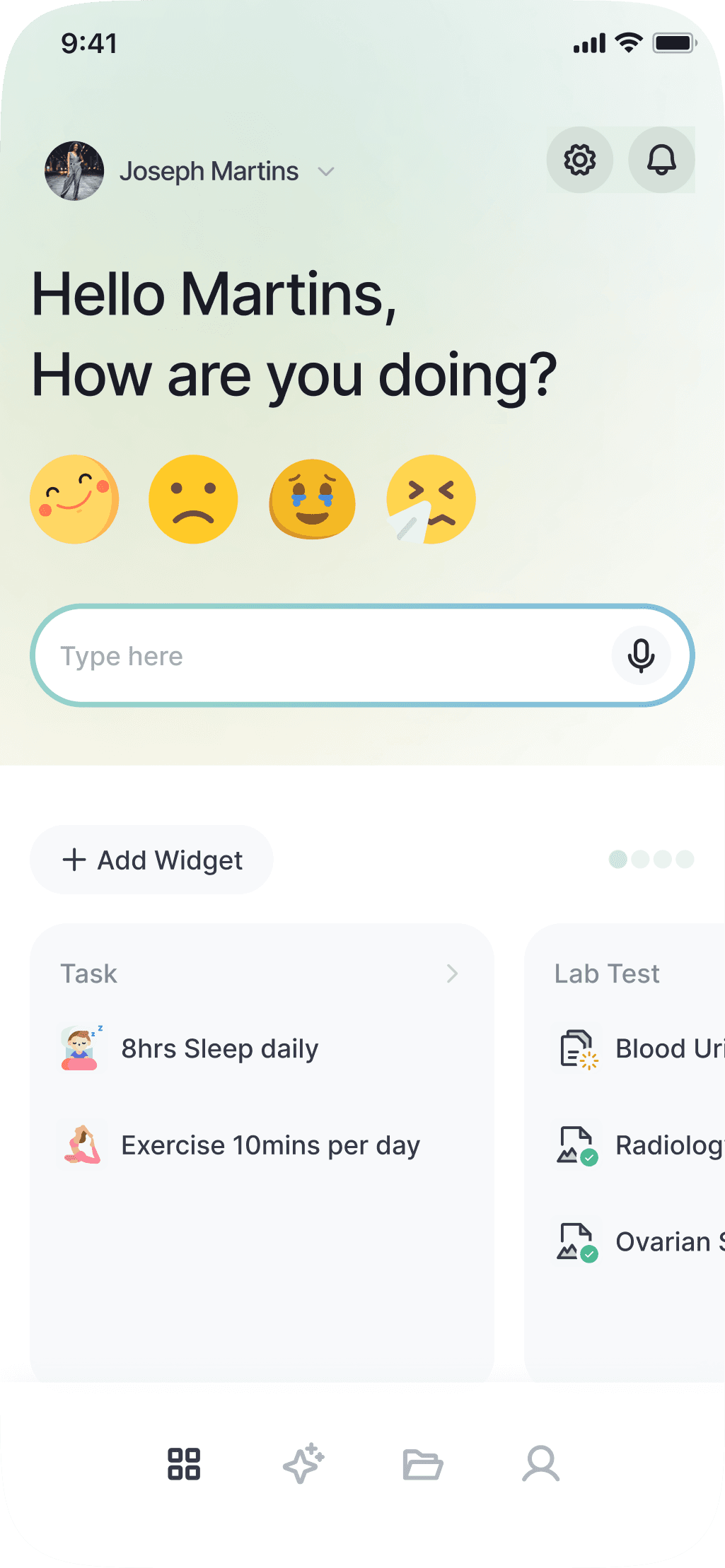
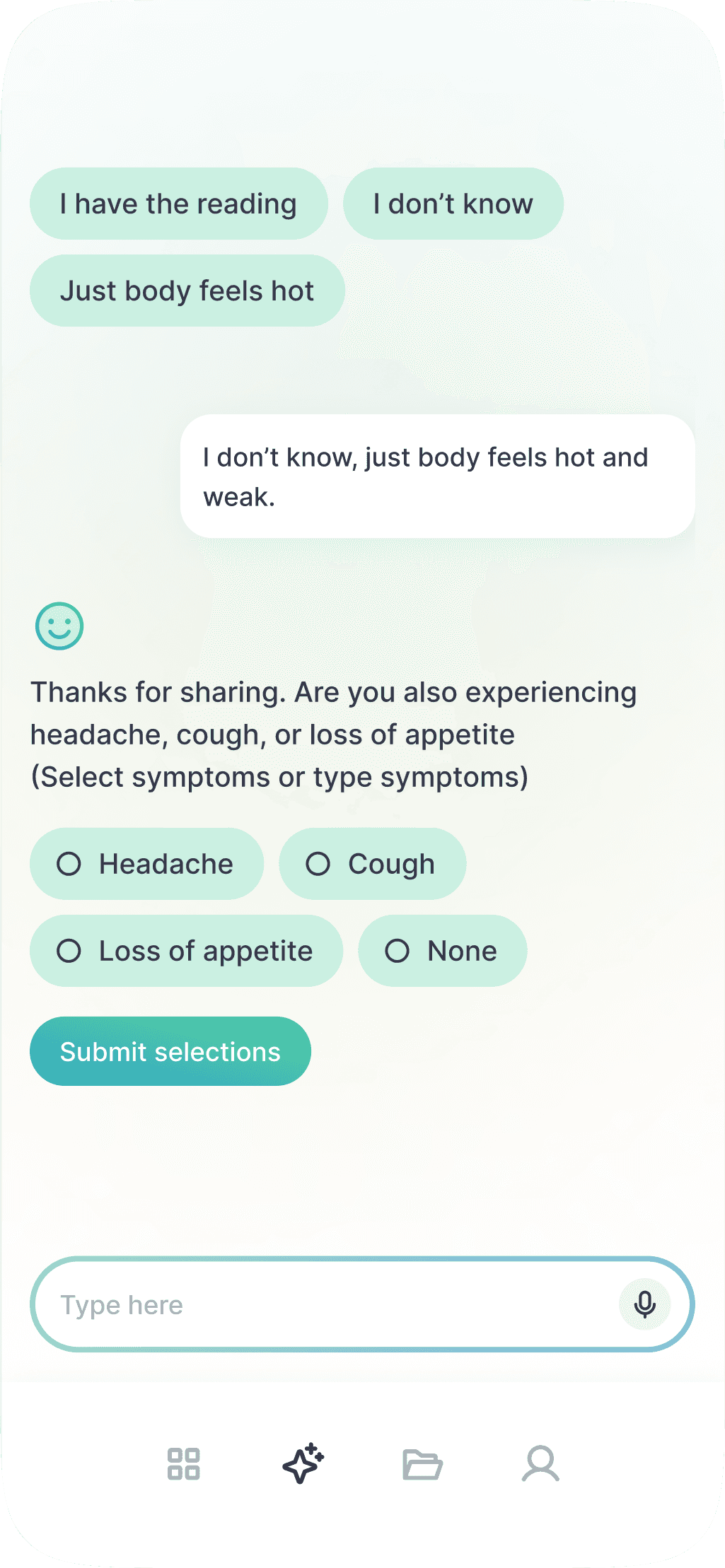
2. AI Health Coach (Patient Side)
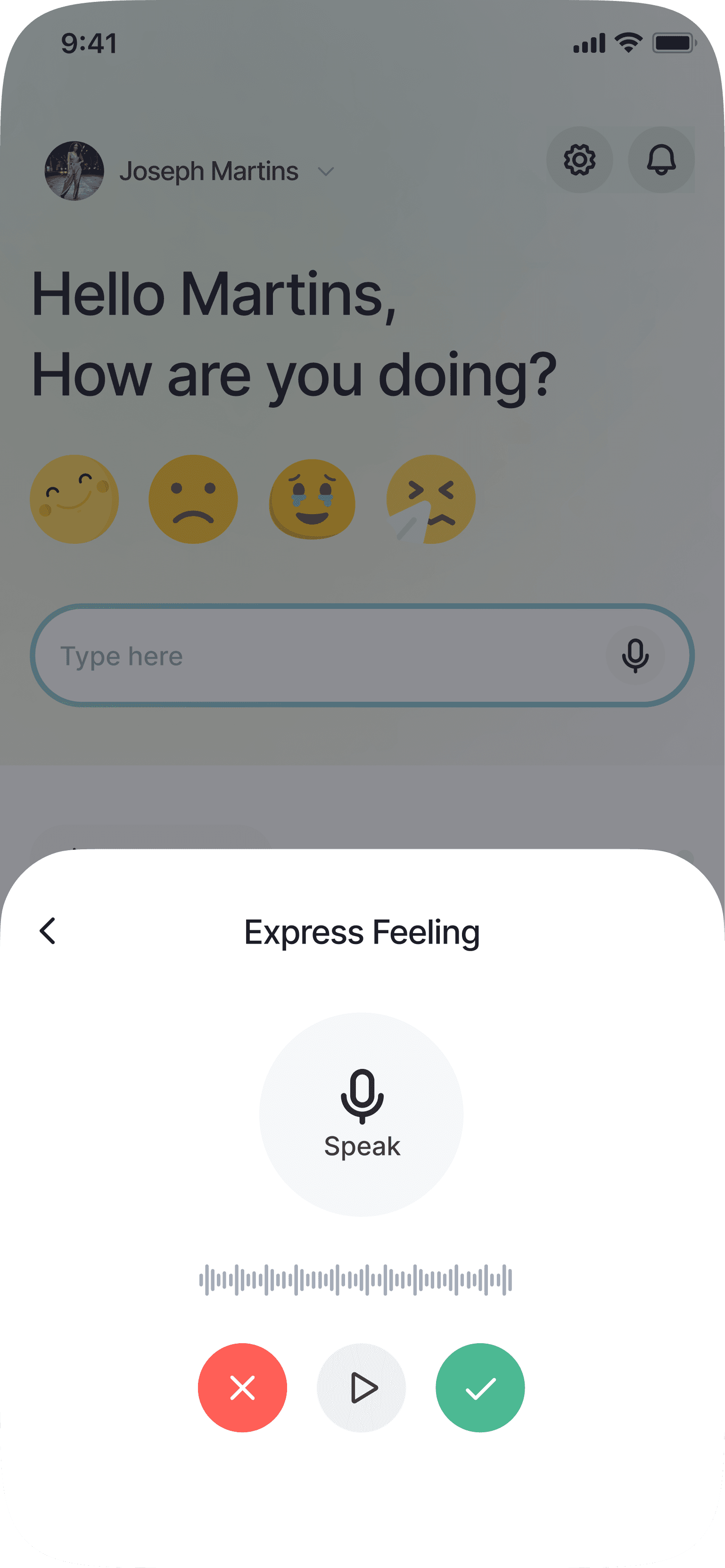
Conversational AI for daily health check-ins
Symptom logging in plain language
Friendly, non-fear-based insights
Personalized lifestyle and medication reminders
Escalation to doctor booking when needed
Example flow: “I’m not feeling well” → AI asks clarifying questions → offers self-care tips or books consultation → logs interaction automatically.
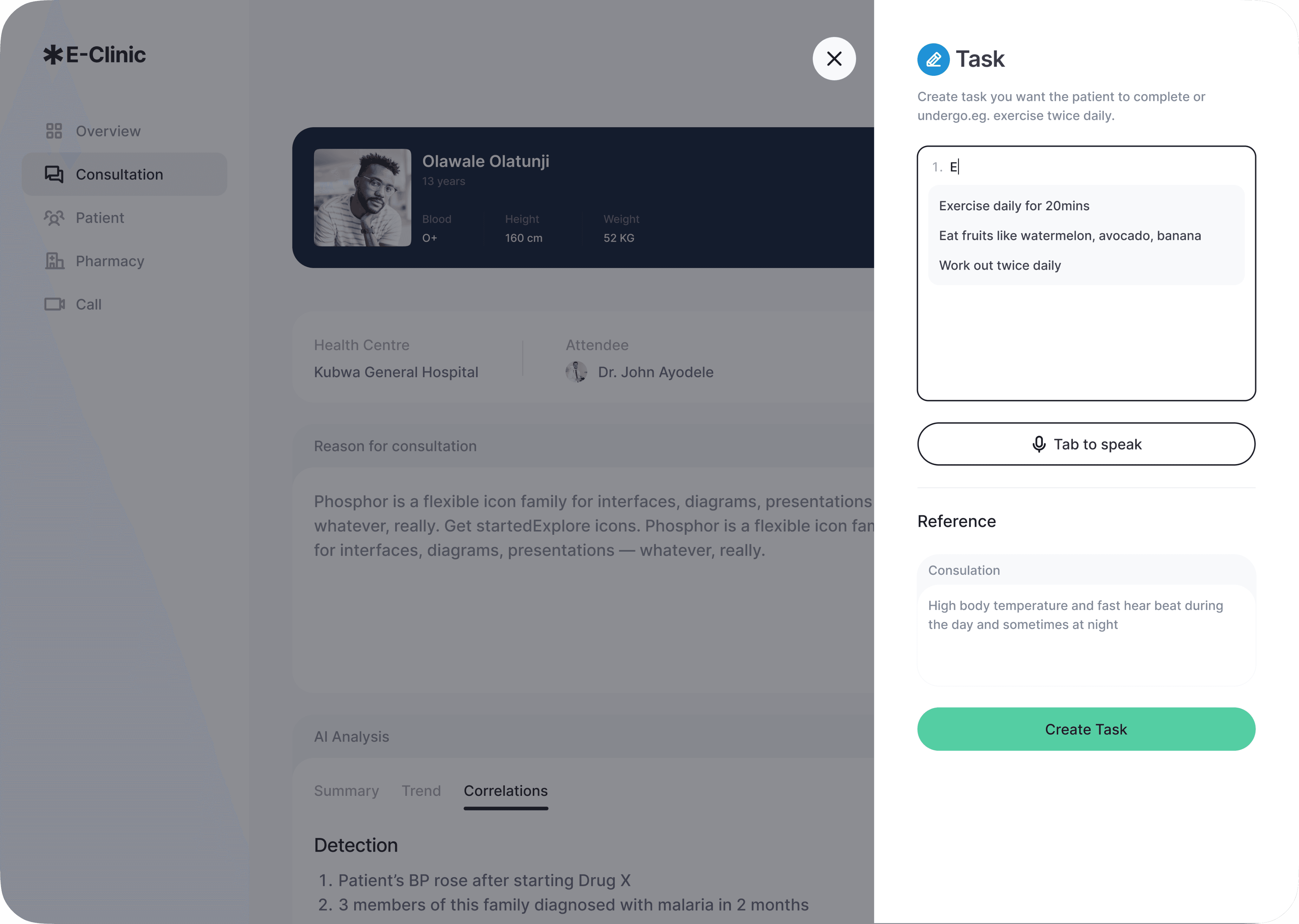
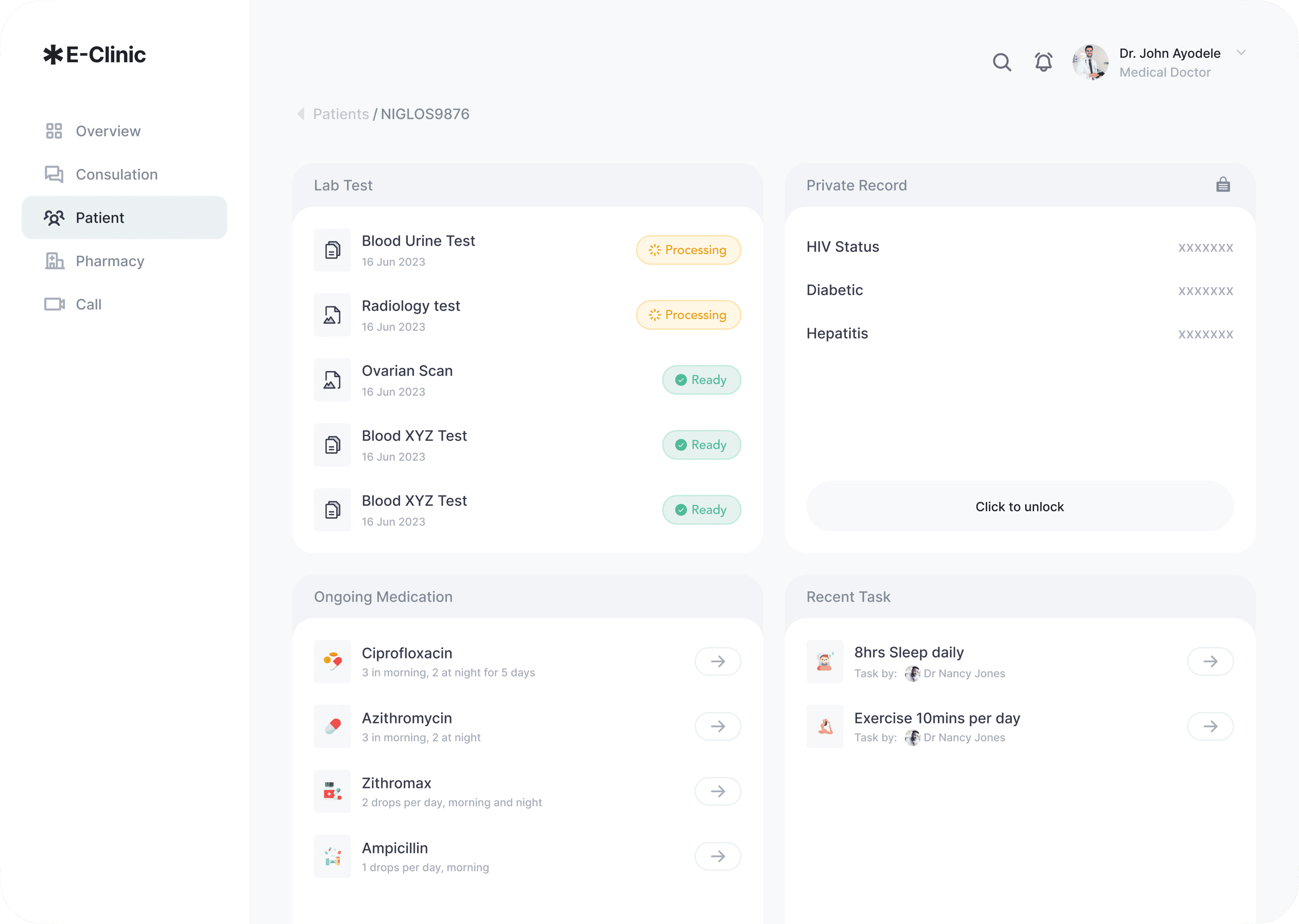
Doctor Experience (Clinical UX)
Designed to be faster than paper + pen:
Patient overview at a glance
One-tap diagnosis notes
Quick lab & drug prescriptions
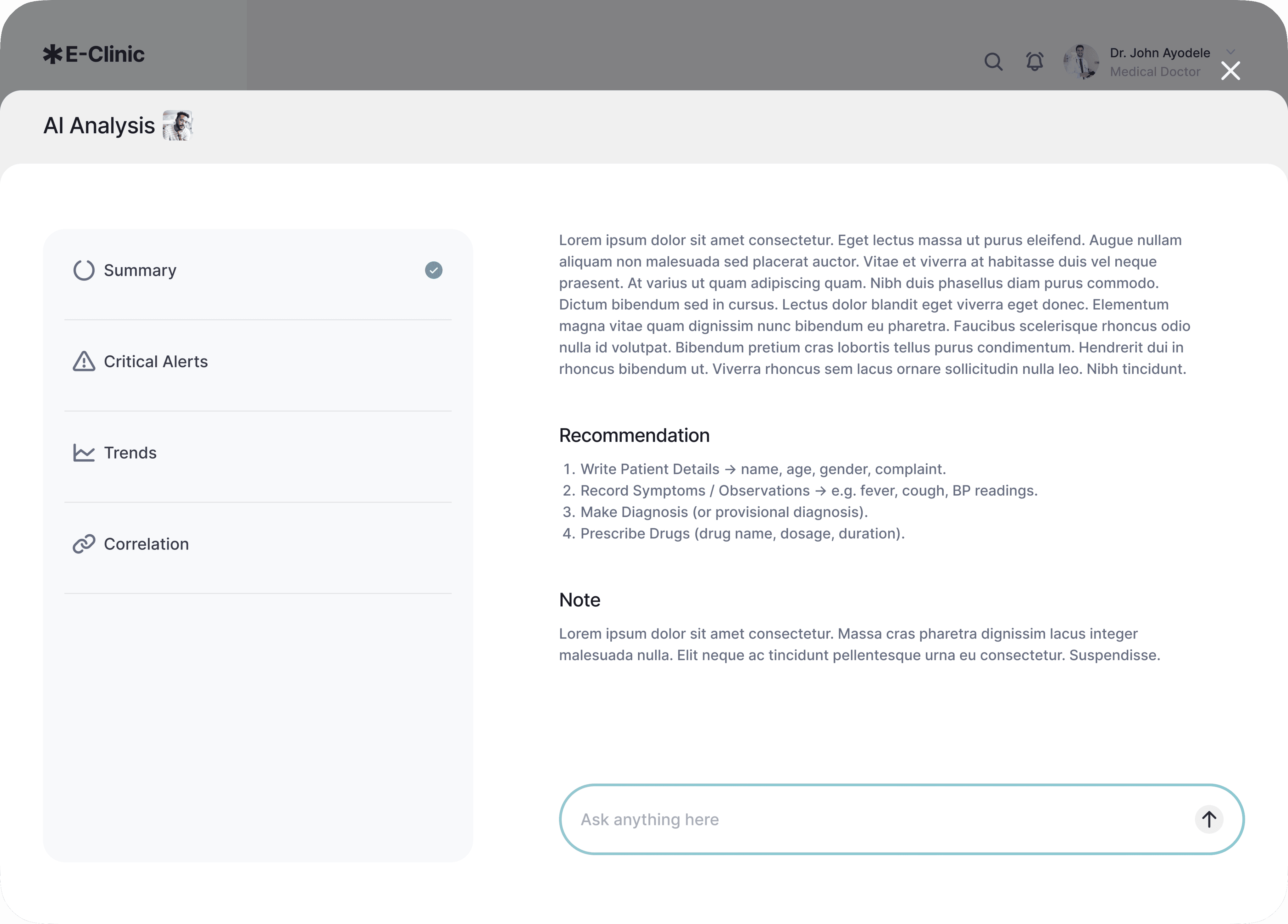
AI insights sidebar:
Alerts (non-alarmist)
Trends (vitals, labs)
Correlations (symptoms ↔ labs ↔ drugs)
Action suggestions (order test, review meds)
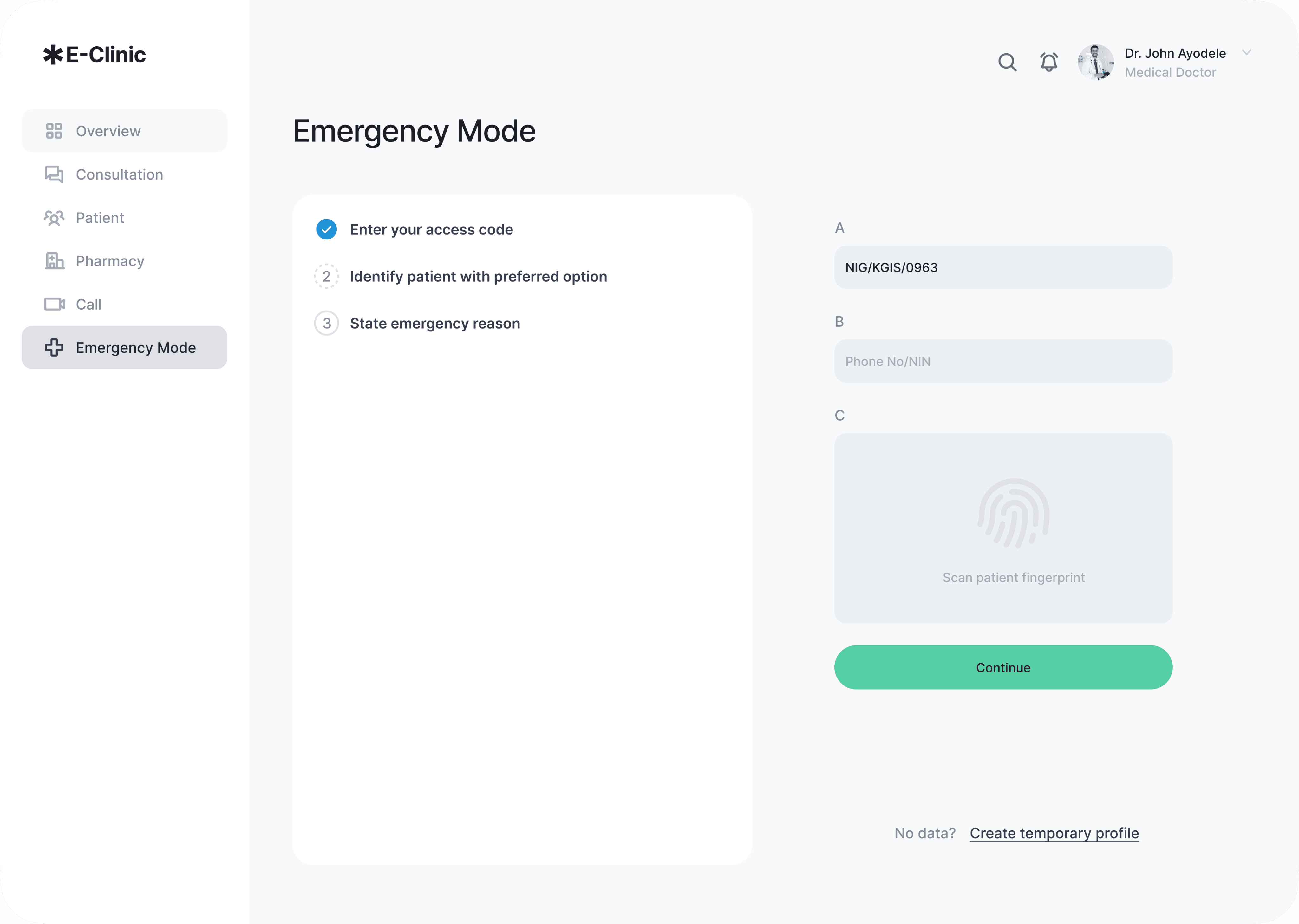
Emergency Access Design
Problem: Unconscious patient with no prior hospital record.
Solution:
National patient identifier (QR / biometric / phone number)
Emergency-only access mode for doctors
Shows only critical info (allergies, blood type, conditions)
Full access requires patient consent later
Every emergency access is logged and auditable
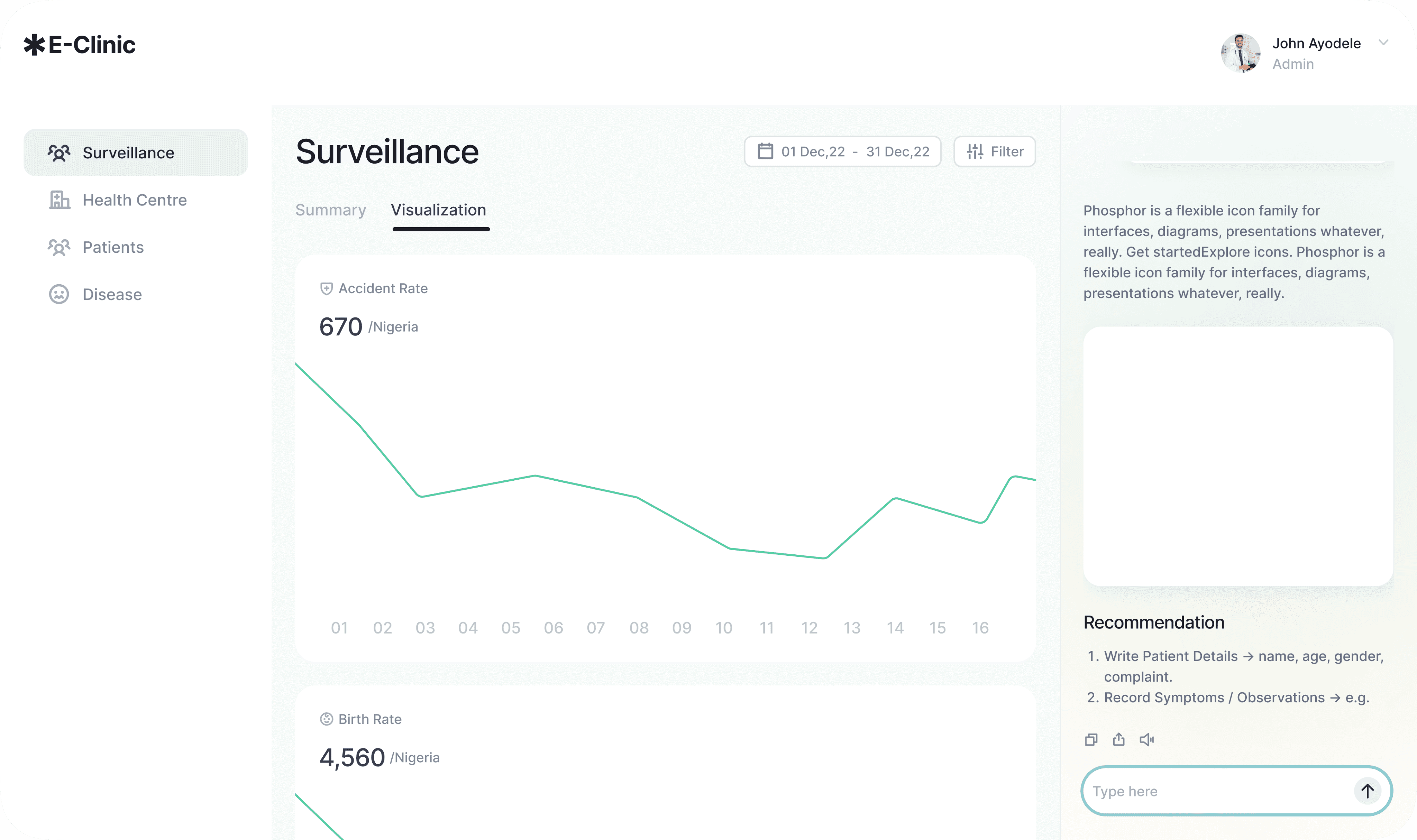
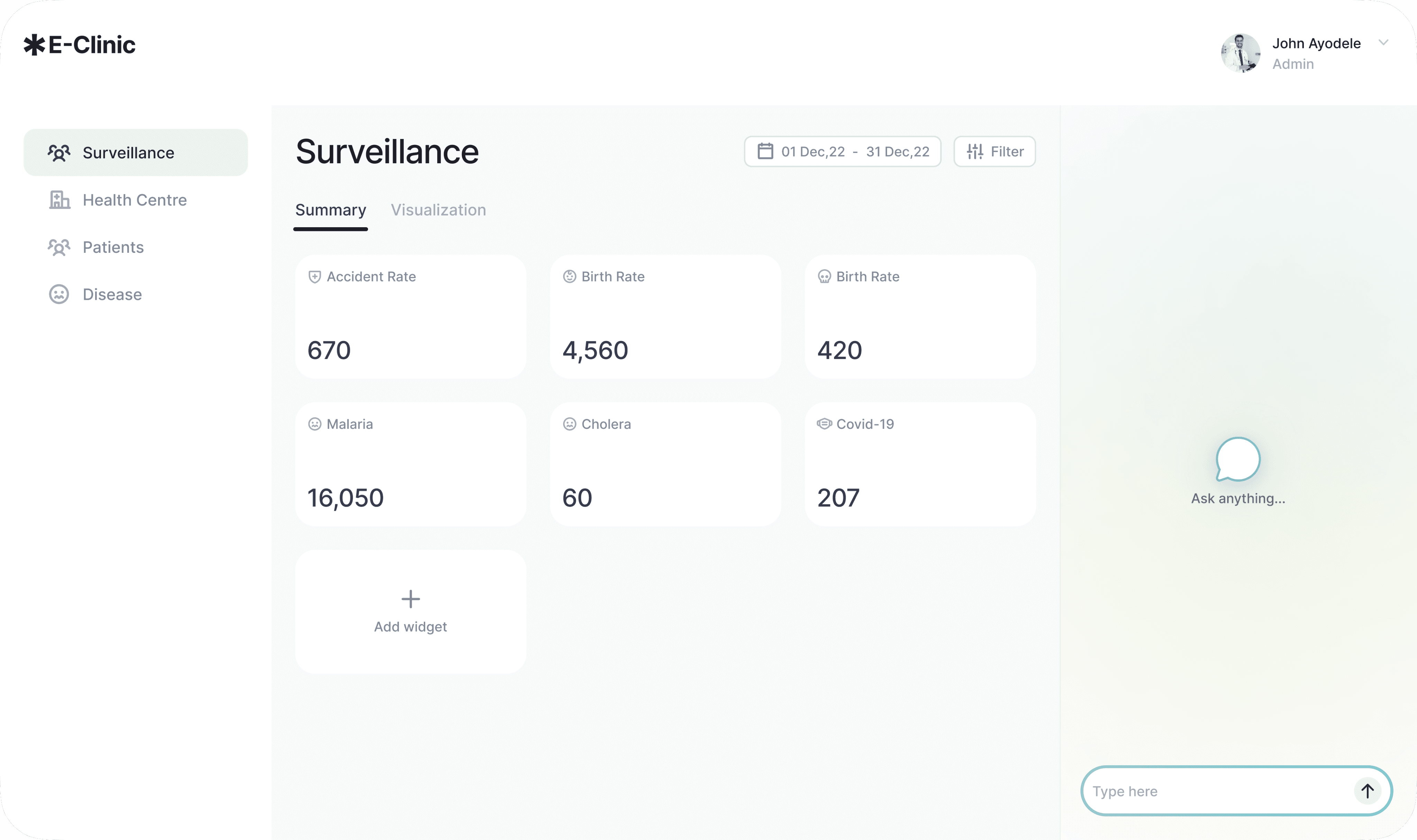
Public Health & Policy Layer
Fully anonymized, aggregated data
Disease trend monitoring
Environmental context analysis (location, outbreaks)
Evidence-based policy and resource allocation
No fear-based predictions
No “You will get diabetes” language
Insights framed as supportive coaching
Users control depth of information
AI explains why a suggestion is made
Clear boundary: AI assists, doctors decide
Faster, safer emergency treatment
Better-informed clinical decisions
Improved patient engagement and adherence
Reduced record duplication
Data-driven public health policies